
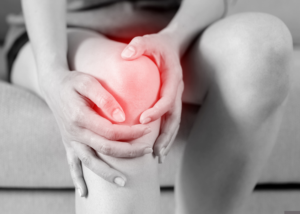
Knee pain, swelling, or difficulty straightening your leg can sometimes be signs of a torn meniscus. A meniscus tear is one of the most common knee injuries and can affect athletes, active adults, and older individuals. Understanding the symptoms and available treatment options can help you know when it’s time to seek orthopedic care.
What Is a Torn Meniscus?
The meniscus is a C-shaped piece of cartilage in your knee that acts as a cushion between your thighbone and shinbone. Each knee has two menisci that help absorb shock, distribute weight, and stabilize the joint.
A meniscus tear often occurs when the knee twists suddenly while the foot is planted, making it common in sports activities. However, tears can also develop gradually as cartilage becomes weaker with age.
Common Symptoms of a Meniscus Tear
Symptoms may vary depending on the location and severity of the injury. Common signs include:
- Pain along the inside or outside of the knee.
- Swelling and stiffness.
- Difficulty bending or straightening the knee.
- Clicking, catching, or locking sensations.
- A feeling that the knee may give way.
If you experience persistent knee pain or difficulty bearing weight, an orthopedic evaluation can help determine the cause.
What Are the Treatment Options?
Not every meniscus tear requires surgery. Depending on the type of tear, its location, and your activity level, treatment may begin with rest, activity modification, ice, and physical therapy. These approaches can help improve strength, mobility, and knee function.
For tears that cause ongoing pain, locking, or limited movement, surgery may be considered. Arthroscopic meniscus surgery is a minimally invasive procedure that allows the surgeon to examine the knee and repair the torn cartilage when possible. In some cases, removing a small portion of damaged cartilage may be necessary.
When Should You See an Orthopedic Specialist?
If knee pain, swelling, or limited movement interferes with your daily activities, don’t ignore the symptoms. Early evaluation can help identify the injury and determine the most appropriate treatment.
At OrthoKnox, our orthopedic team provides comprehensive knee care, from nonsurgical treatment and physical therapy to surgical options when needed. Our goal is to help you restore mobility and return to the activities you enjoy.
Learn more about knee conditions and treatment options at OrthoKnox, or request an appointment today.